
Car Leather Seat Cleaning in Dubai:
Professional Cleaning vs DIY Methods
- Home
- Blogs

Date: 28-Nov-2026 Author: Safalux
Table of Contents
- Why Dubai's Climate Is the Ultimate Test for Leather Upholstery
- Identifying Your Needs: Surface Maintenance vs. Deep Restoration
- The DIY Approach: Maintaining Your Interior at Home
- The Professional Advantage: Advanced Cleaning Techniques
- Professional vs. DIY: A Practical Comparison
- Common Leather Problems in Dubai and How to Solve Them
- Specialized Leather Restoration Services in Dubai
- The Leather Survival Guide: A Seasonal Maintenance Schedule
- Conclusion: Protecting Your Investment in the City of Gold
- Frequently Asked Questions
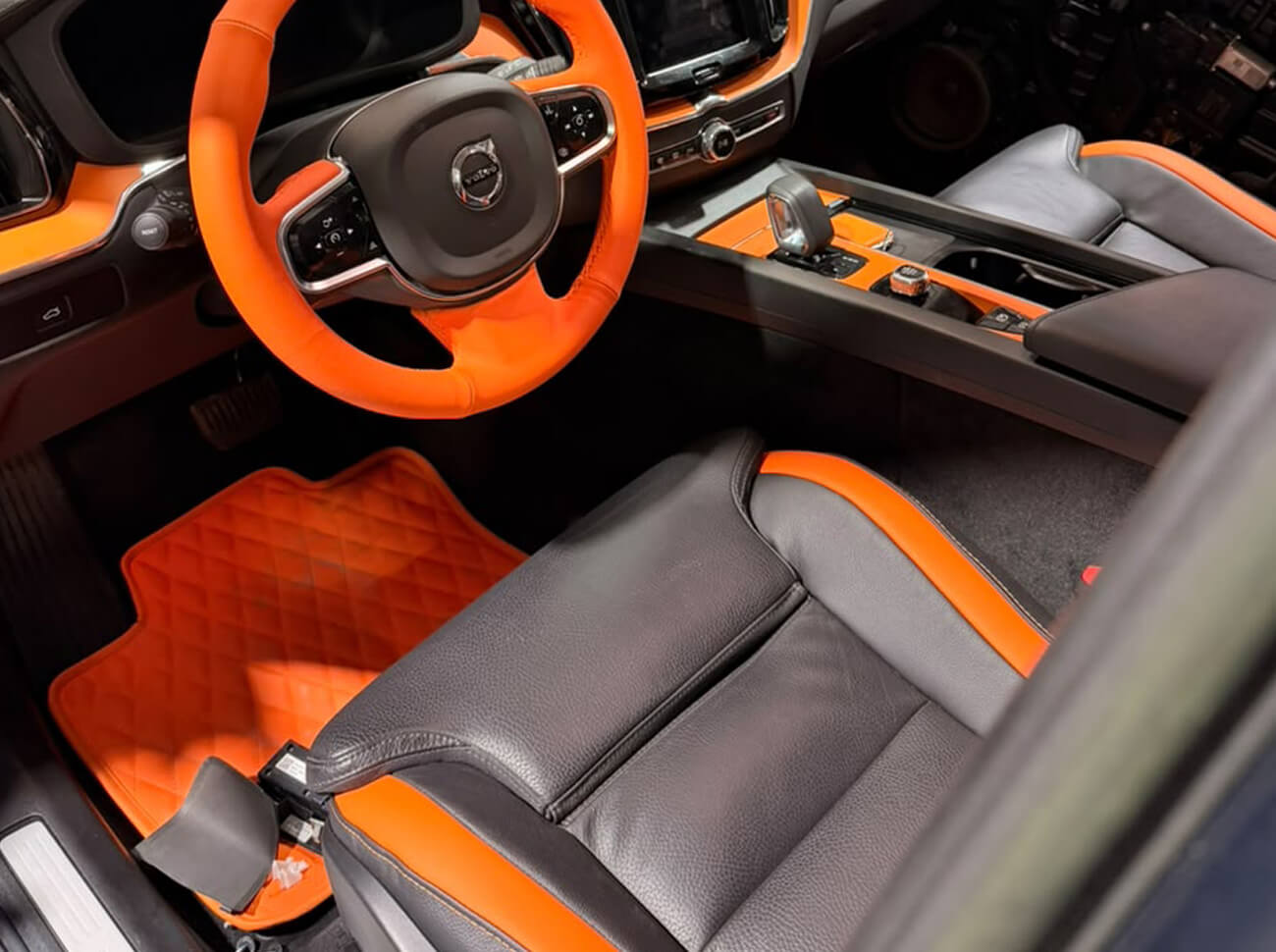
Leather seats add comfort, elegance, and value to your vehicle. However, Dubai's extreme temperatures, regular sun exposure, desert dust and everyday use can gradually affect their appearance and condition. Without proper care, leather upholstery may become dirty, lose its natural finish, develop surface cracks or show visible signs of wear.
Professional car leather seat cleaning helps remove accumulated dirt, body oils, stains and other contaminants while maintaining the original appearance of your vehicle's interior.
At Safalux Auto Care, Dubai, we provide professional car detailing that includes interior deep cleaning and leather conditioning. Our approach focuses on maintaining your vehicle's interior through careful cleaning, the use of appropriate products, and attention to detail.
Whether you drive a luxury sedan, family SUV, or premium sports car, understanding the difference between professional leather care and DIY cleaning can help you make the right decision.
Why Dubai's Climate Is the Ultimate Test for Leather Upholstery
Leather interiors require regular attention, particularly in regions where vehicles experience high temperatures and frequent environmental exposure.
Dubai's climate creates several challenges for automotive upholstery. Understanding these conditions helps you choose the right cleaning and maintenance routine.
The Impact of Extreme Heat and Dehydration on Natural Hides
Vehicles parked outdoors for extended periods can experience significant cabin temperature increases. Repeated heat exposure, combined with sunlight and everyday use, can accelerate the deterioration of leather finishes.
You may notice:
- Surface fading and changes in colour.
- Reduced flexibility in ageing or poorly maintained leather.
- Fine cracks in damaged leather coatings.
- Increased wear around frequently used seating areas.
Modern automotive leather often has a protective surface coating. Therefore, not every seat requires heavy conditioning. The correct treatment depends on the material and its existing condition.
Desert Dust and Sand: The Abrasives Hiding in Your Cabin
Fine desert sand and dust enter vehicles through open doors, footwear, clothing, and ventilation systems.
These particles collect around seat stitching, perforations, seams, and textured surfaces. Rubbing them with a dry cloth can create unnecessary friction.
Regular vacuuming and professional interior cleaning help remove accumulated contaminants before they contribute to additional surface wear.
Humidity Spikes and the Risk of Mold and Bacteria Growth
Although Dubai is known for its dry climate, humidity can increase during certain periods, particularly in coastal areas.
Moisture trapped inside vehicle interiors, especially around carpets and upholstery, can contribute to unpleasant smells and microbial growth.
If your vehicle develops a persistent musty smell, investigate the source rather than simply covering it with an air freshener. Professional interior assessment can help identify moisture-related problems.
Identifying Your Needs: Surface Maintenance vs. Deep Restoration
Not every leather seat requires intensive cleaning. Choosing the right treatment depends on the amount of contamination, the leather's condition, and the type of damage.
When a Light Dusting Is Enough
Light maintenance is suitable when your seats have minor dust, fingerprints, or fresh surface marks.
You can maintain the interior by:
- Removing loose dust with a clean microfiber cloth.
- Vacuuming visible dirt around the seat edges.
- Cleaning fresh spills using an appropriate leather-safe product.
- Checking frequently touched areas such as armrests and steering wheels.
A regular maintenance routine can reduce the accumulation of dirt between professional detailing sessions.
Signs Your Leather Needs Immediate Professional Attention
Consider professional cleaning when you notice:
- Dark or greasy-looking patches on frequently used seats.
- Persistent dirt around stitching and perforations.
- Denim dye transfer or visible stains.
- Sticky surfaces caused by accumulated residues.
- Unpleasant smells coming from the interior.
- Uneven appearance across different seating areas.
If the leather has deep cracks, peeling coatings, tears, or significant colour loss, cleaning alone may not solve the problem. These conditions require an appropriate repair or restoration assessment.
The Decision Matrix: Choosing Between DIY and Professional Care
| Interior condition | Recommended approach |
|---|---|
| Light dust and fingerprints | DIY maintenance |
| Minor fresh stains | Suitable leather-safe cleaning |
| Heavy dirt and body oil buildup | Professional cleaning |
| Persistent interior odours | Professional inspection |
| Deep scratches or colour loss | Leather restoration assessment |
| Peeling or cracked leather | Specialist repair |
The key is to avoid treating every leather problem as a cleaning issue. Identifying the actual condition helps prevent unnecessary treatments.
The DIY Approach: Maintaining Your Interior at Home
DIY cleaning can be effective for everyday maintenance, provided you use compatible products and gentle techniques.
However, household cleaning products are not necessarily suitable for automotive leather.
Essential Tools for the DIY Detailer: Microfiber Cloths and HEPA Vacuums
Before cleaning, prepare the right equipment:
- Soft microfiber towels for wiping surfaces.
- A vacuum cleaner with suitable upholstery attachments.
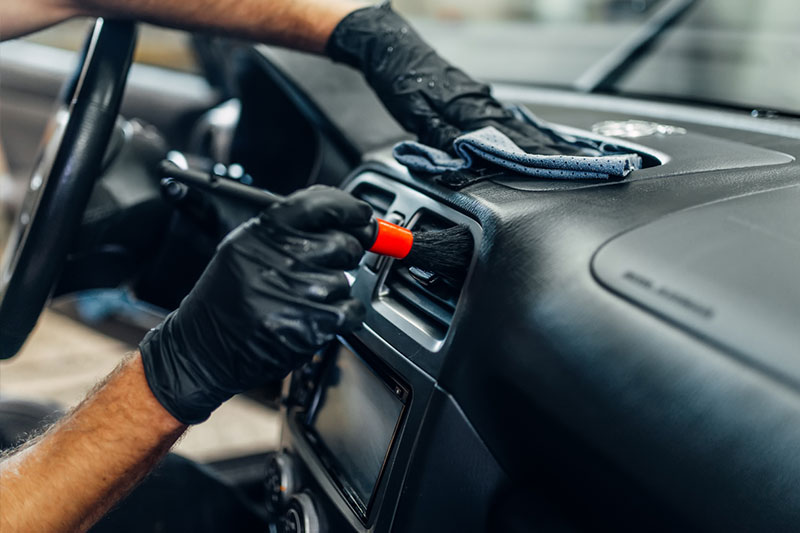
- A soft detailing brush for seams and textured areas.
- A dedicated automotive leather cleaner.
- A compatible leather conditioner, when required.
A vacuum with effective filtration can help capture fine dust rather than releasing it back into the cabin.
A Step-by-Step Guide to Safe DIY Cleaning
Follow these steps to maintain your leather seats safely.
Step 1: Remove loose dirt
Vacuum the seats, paying particular attention to seams, stitching, and gaps between cushions. Avoid using hard attachments directly on leather.
Step 2: Test the cleaning product
Apply a small amount of leather-safe cleaner to an inconspicuous area. Check for colour transfer or unexpected changes before treating the entire seat.
Step 3: Clean one section at a time
Apply the product according to its manufacturer's instructions. Use a soft brush or microfiber applicator and avoid excessive pressure.
Step 4: Remove loosened dirt
Wipe the surface with a clean microfiber towel. Do not allow excessive cleaning solution to remain around stitching or perforations.
Step 5: Allow the surface to dry
Let the leather dry naturally according to the product instructions.
Step 6: Apply conditioner if needed
If the leather requires conditioning, use a compatible product in a thin, even layer.
Always follow the vehicle manufacturer's recommendations and the cleaning product instructions.
The Don't Use List: Why Household Detergents and Vinegar Damage Leather
Some popular household cleaning methods can cause more problems than they solve.
Avoid using:
- Dishwashing liquid and strong detergents.
- Bleach and aggressive chemical cleaners.
- Undiluted vinegar or acidic solutions.
- Alcohol-based cleaning products unless specifically approved.
- Abrasive brushes and rough scrubbing pads.
- Excessive water or steam without material-specific approval.
These products and techniques may affect the leather's protective finish, colour or surface coating.
The Role of Leather Conditioning in Preventing Sun-Induced Cracking
Leather conditioning is often misunderstood.
A conditioner is not a repair product, and applying more does not necessarily provide better protection.
Modern coated automotive leather differs from untreated natural leather. Some surfaces need very little conditioning, while others may benefit from a suitable maintenance treatment.
A compatible conditioning product can help maintain the feel and appearance of suitable leather. However, it cannot reverse existing cracks, peeling or severe sun damage.
The Professional Advantage: Advanced Cleaning Techniques and Equipment
Professional car leather cleaning goes beyond wiping visible dirt from the seats. It involves identifying the material, understanding the contamination, and selecting an appropriate treatment.
Deep Steam Cleaning: Hygiene Beyond the Surface
Steam cleaning is sometimes used in automotive interior detailing, but it is not suitable for every leather surface.
Excessive heat and moisture may damage leather coatings, adhesives, stitching or perforated seating.
For this reason, steam should only be considered where the vehicle manufacturer and material specifications allow it. Leather-safe cleaning methods are generally the preferred starting point for delicate upholstery.
The Science of pH-Balanced Cleaning Agents
The cleaning product matters as much as the cleaning technique.
Leather-safe cleaners are formulated to remove contamination without unnecessarily affecting the surface finish.
Professional detailers consider:
- Leather type and surface coating.
- Type and severity of contamination.
- Product compatibility.
- Application method and contact time.
- Safe removal of cleaning residues.
This controlled approach is particularly important for expensive vehicle interiors.
Ozone Odor Removal: Eliminating Stubborn Smells from the Cabin
Persistent smells may originate from carpets, air-conditioning components, moisture or other interior materials rather than leather seats themselves.
Ozone treatment is sometimes used as a specialist odour-control method, but it is not a substitute for cleaning the source of contamination.
It also requires appropriate professional controls because ozone exposure can be harmful to people and animals.
Always request an assessment to determine whether this treatment is necessary.
UV-Protective Coatings: A Shield Against the Arabian Sun
Sun exposure can contribute to fading and deterioration of automotive interior materials.
Suitable UV-protective interior products may help reduce some environmental effects, depending on the material and formulation.
However, no interior coating can completely prevent sun damage.
Using a compatible protective product, parking in shaded areas, and reducing prolonged direct sunlight exposure are practical ways to maintain your interior.
Professional vs. DIY: A Practical Comparison
Both approaches have their place. The best choice depends on the condition of your seats and the results you want to achieve.
Efficiency and Time: Mobile Services vs. DIY Effort
DIY cleaning requires you to purchase suitable products, prepare equipment, and spend time cleaning each section.
Professional detailing offers a more structured approach, with trained staff and dedicated equipment.
Safalux Auto Care operates from its Al Quoz facility in Dubai. If you prefer a mobile service, confirm availability and service coverage before booking.
Long-Term Value: Maintenance Costs vs. Full Interior Restoration
Regular maintenance can help reduce the accumulation of dirt and body oils that affect leather appearance.
Ignoring contamination or using unsuitable cleaning products may create additional problems that require specialist attention.
Professional cleaning is particularly useful when the seats have heavy buildup, stubborn stains, or contamination that ordinary maintenance cannot remove.
Specialized Treatment for High-End Materials: Nappa, Aniline, and Vegan Leather
Different automotive materials require different cleaning approaches.
Nappa leather: Premium Nappa leather can have a softer finish and requires careful product selection. Nappa leather seat cleaning in Dubai should begin with identifying the specific finish and manufacturer recommendations.
Aniline leather: This material is generally more absorbent and less protected than coated automotive leather. Strong cleaners and excessive moisture can cause staining or colour changes.
Vegan leather: Synthetic upholstery is not natural animal leather. Its surface may be made from different synthetic materials, so treatment should follow the manufacturer's compatibility guidance.
Never assume that one cleaning product is suitable for every vehicle interior.
Common Leather Problems in Dubai and How to Solve Them
Dubai drivers frequently encounter interior problems associated with daily use, sunlight and environmental exposure.
Combatting Dye Transfer from Clothing and Denim
Dark denim, coloured clothing and other fabrics can transfer dye onto light-coloured leather seats.
Fresh transfer may be easier to remove than marks that have remained on the surface for an extended period.
Use a compatible leather cleaner and avoid aggressive scrubbing. Older or stubborn marks may require professional assessment.
Removing Stubborn Stains: Coffee, Sunscreen, and Organic Spills
Coffee, food, sunscreen, and body oils can leave visible marks on leather.
The correct cleaning method depends on the substance and the leather finish.
For fresh spills, gently blot the affected area rather than rubbing it. Avoid introducing excessive moisture, particularly around perforations and seams.
Professional cleaning may be necessary when contamination has penetrated the surface or cannot be removed safely at home.
Addressing Thermal Shock and Dehydration Cracks
Repeated exposure to high cabin temperatures can contribute to the deterioration of interior materials.
Existing cracks and peeling surfaces cannot be repaired simply by applying conditioner.
A professional inspection can determine whether the seat needs cleaning, colour restoration, surface repair, or specialist upholstery work.
Specialized Restoration Services in Dubai
Some leather problems require more than routine cleaning and conditioning.
Leather Color Restoration: Bringing Faded Seats Back to Life
Leather colour restoration involves assessing the existing finish and determining whether the original colour can be matched and refinished.
The process may include surface preparation, colour matching and application of suitable restoration products.
It is important to distinguish between surface dirt, colour transfer and actual loss of the leather finish. Each condition requires a different treatment.
Repairing Minor Scratches and Crevices
Minor surface scratches may sometimes be improved through specialist leather repair techniques.
However, deep cuts, peeling coatings, and damaged stitching require a more detailed assessment.
Avoid using generic repair kits without checking whether they are compatible with your vehicle's upholstery.
The Importance of Professional Preliminary Diagnostics
Before selecting any restoration treatment, inspect the seats carefully.
A professional assessment should consider:
- The type of leather or synthetic upholstery.
- Existing protective coatings.
- Surface scratches and cracks.
- Colour fading and dye transfer.
- Stains and contamination.
- Previous repair or restoration work.
This helps identify the most appropriate treatment instead of applying unnecessary products.
The Leather Survival Guide: A Seasonal Maintenance Schedule for UAE Drivers
Leather maintenance should respond to your vehicle's usage and environmental exposure rather than following a rigid schedule.
Summer Strategy: Maximizing Conditioning and UV Protection
During Dubai's hotter months:
- Park in shaded areas whenever possible.
- Use a suitable sunshade.
- Clean accumulated dust regularly.
- Inspect frequently used seating areas.
- Use compatible interior protection products.
- Avoid leaving cleaning chemicals inside a hot vehicle.
Do not over-condition seats simply because temperatures are high. Follow the requirements of the specific leather finish.
Winter Refresh: Deep Cleaning After Desert Trips and Sandstorms
Cooler months are often a good opportunity to inspect and refresh your vehicle's interior.
After desert trips or dusty journeys:
- Vacuum seats and floor areas.
- Remove sand from seams and crevices.
- Check door panels and armrests.
- Clean visible stains.
- Inspect carpets for trapped moisture.
- Arrange professional interior detailing when necessary.
Monthly Maintenance Checklist for Sustained Luxury
Use this simple checklist to keep your interior in good condition:
- Remove loose dust and debris.
- Check seats for stains and colour transfer.
- Inspect stitching and perforated areas.
- Clean high-contact surfaces.
- Check for unusual or persistent odours.
- Look for early signs of surface damage.
- Assess whether professional cleaning is required.
A consistent maintenance routine helps preserve the comfort and appearance of your vehicle's interior.
Conclusion: Protecting Your Investment in the City of Gold
Your vehicle's leather interior deserves the same attention as its exterior paintwork. Dubai's climate, everyday driving conditions, dust, and frequent contact can gradually affect the appearance and condition of automotive upholstery.
Regular maintenance, suitable cleaning products and correct conditioning techniques can help keep leather seats looking clean and well maintained.
DIY cleaning is useful for light maintenance, but heavy contamination, stubborn stains, delicate leather and visible surface damage often require professional attention.
Safalux Auto Care provides professional car detailing in Dubai, including interior deep cleaning and leather conditioning. Our team focuses on careful vehicle care, quality products, and attention to detail.
Whether your vehicle needs an interior refresh or a more comprehensive detailing session, visit Safalux Auto Care in Al Quoz, Dubai.
Give Your Car's Interior the Care It Deserves.
Book your professional car detailing service with Safalux Auto Care today.
Call: +971 52 104 4493
Email: info@safaluxauto.care
Location: A34 Street, Al Quoz, Dubai, UAE.
Recent Posts