Car Tinting Prices in Dubai
Dyed vs Carbon vs Ceramic Tint by Car Size
- Home
- Blogs
Date: 10-Oct-2026 Author: Safalux
Table of Contents
- Understanding the Importance of Window Tinting in the Dubai Climate
- Comparing the Three Main Types of Window Film Technology
- Navigating RTA Window Tinting Laws and Regulations in Dubai
- Why Vehicle Size Matters: How Surface Area Dictates Pricing
- Price Matrix: Estimated Tinting Costs by Film Type and Vehicle Size
- The "Why Pay More" Logic: IR Heat Rejection vs. Simple Shade
- Selecting the Right Window Tinting Brands in the Dubai Market
- What to Expect During a Professional Car Tinting Service
- Warranty and Longevity: Protecting Your Investment
- Conclusion: Making the Right Choice for Your Budget and Vehicle
Car tinting prices in Dubai range from about AED 250 for basic dyed film on a compact car to AED 2,800 or more for premium ceramic on a 7-seater SUV. The gap comes down to three things: the film technology, your vehicle's glass area, and the quality of installation.
This guide breaks down real AED price ranges, compares the three main film types, explains RTA tint laws, and shows you exactly what to expect from a professional install. By the end, you'll know which tint fits your car, your budget, and Dubai's punishing summers.
Understanding the Importance of Window Tinting in the Dubai Climate
Protecting Your Car Interior from Intense UV Exposure
Dubai's sun is relentless for the majority of the year, and dashboards and leather fade over time. A good tint allows only 99% of the UV rays to penetrate. That helps to keep your skin moist on long drives and helps maintain the value of your car.
Managing Cabin Temperature During Extreme Summer Heat
The temperature in the summer is often greater than 45°C, and a parked car can heat up like an oven in just minutes. The right film reduces the heat trapping behind the glass. Your AC will cool the cabin more quickly and spend less time doing so throughout the day.
Privacy and Aesthetic Style: Enhancing Your Vehicle's Look
Tint enhances the stylish appearance of any vehicle, ranging from a standard sedan to a Range Rover. It also conceals valuables from passersby in crowded parking lots. To sum up: tint shields your interior, your comfort, and your privacy.
Comparing the Three Main Types of Window Film Technology
Dyed Window Tints: The Economic Solution for Aesthetic Privacy
Dyed film is a variety of film that is darkened by multiple layers of dyes. The most cost-effective is the least expensive and provides good privacy and glare control. The downside is poor heat rejection, and the film may eventually turn purple.
Carbon Window Tinting: Balancing Durability and Heat Control
Carbon film makes use of carbon particles to coat the layers and provides a matte appearance that doesn't fade. Rejects a significant amount of heat and does not interfere with signals. Carbon is the middle-ground sweet spot for many drives and is a top choice for performance. Carbon is a good choice for performance and value for money for many drivers.
Nano-Ceramic Window Tinting: The Gold Standard for Infrared (IR) Heat Rejection
Even lighter colors, ceramic film blocks up to 90-98% of infrared heat, which is a non-conductive layer of nanoparticles. The clarity is excellent, and the three have the longest duration of clarity. As for those using ceramic, the main reason is for luxury car owners or those managing extreme heat.
Navigating RTA Window Tinting Laws and Regulations in Dubai
Visible Light Transmission (VLT): Understanding the Legal Percentage Limits
The amount of visible light that passes through the glass is measured by VLT. The tinting should still allow about 50% of the light to pass through the window, according to UAE window tint laws. The front windshield must remain clear unless you are either holding an approved permit or an exemption.
RTA and Dubai Police Traffic Department Standards for 2024–2026
These thresholds have remained unchanged over the past several years. Medical exemption and special permits are available, but require approval prior to installation. Please ensure you check the current rules with the RTA, as rules may vary.
The Role of the Photometer in Roadside Inspections and Passing RTA Tests
The officer or test center uses a portable photometer, which reads the VLT directly through the glass. The final tint rating will be the combination of the rating of your tint film and the factory tint on the glass. This is taken into account by a professional installer prior to applying film.
Avoiding Fines: Why You Must Stay Within the Law
A vehicle inspection failure and a fine of up to AED 1500 for illegal tint. If you are ticketed, retain the incident number for your records and appeal. Preventing compliance violations is always more cost-effective than the later complete removal and reinstallation of film.
Why Vehicle Size Matters: How Surface Area Dictates Pricing
Measuring Glass Surface: Small Hatchbacks vs. Full-Size SUVs
As the amount of glass increases, so will the amount of film and labour. A Toyota Yaris could require half as much as a Nissan Patrol or a 7-seater van. It is because of that difference that the car tinting quotes in Dubai always begin with the make and model of your car.
Complexity of Installation: Curved Windows and Front Windshield Challenges
The rear glass is curved like a Porsche or a Tesla and needs to be heat-shrunk. Extra time and skill with the windshield and panoramic roof. Complex glass contributes to the cost, but also demonstrates the skills and expertise of the installer.
Price Matrix: Estimated Tinting Costs by Film Type and Vehicle Size
The figures shown below are approximate ranges for side and rear windows, without the 5% VAT. The exact price will vary by brand, colour, and car.
Pricing Guide for Small Vehicles (Hatchbacks and Compact Cars)
| Film Type | Estimated Price (AED) |
|---|---|
| Dyed | 250 – 450 |
| Carbon | 450 – 800 |
| Nano-Ceramic | 900 – 1,600 |
Pricing Guide for Medium Vehicles (Standard Sedans and Crossovers)
| Film Type | Estimated Price (AED) |
|---|---|
| Dyed | 300 – 550 |
| Carbon | 550 – 1,000 |
| Nano-Ceramic | 1,100 – 2,000 |
Pricing Guide for Large Vehicles (7-Seater SUVs and Luxury Vans)
| Film Type | Estimated Price (AED) |
|---|---|
| Dyed | 400 – 700 |
| Carbon | 700 – 1,300 |
| Nano-Ceramic | 1,400 – 2,800+ |
A clear thermal windshield film usually adds AED 350–900, and removing old tint typically costs AED 100–200.
Want an exact figure for your car? Send us your make and model, and our team will reply with a transparent quote. No hidden fees.
The "Why Pay More" Logic: IR Heat Rejection vs. Simple Shade
The Physics of Heat: Infrared Radiation Rejection Explained
About half of the sun's energy is in the infrared spectrum, or heat, that you can feel but not see. A dark-dyed film transmits much of the IR, but not the visible light. A light, legal shade will still direct IR directly, making the cabin noticeably cooler.
Preventing Signal Interference: Why Ceramic Outperforms Metallic Films for GPS and Salik Tags
GPS and mobile phone signals can be interfered with by metallic films, and the Salik tag can be read at toll stations. Unlike metal, Ceramic and carbon films do not cause signal drop-offs. This is of significant importance in today's vehicles that are laced with sensors.
Long-Term Savings: Impact on Gas Mileage and Air Conditioning Efficiency
A cooler cabin reduces the air conditioning load and may have a small positive impact on fuel economy in the long term. Moreover, less strain will equate to longer AC life. The ceramic can last for 5 years or more and might make up for the greater starting charge.
Selecting the Right Window Tinting Brands in the Dubai Market
Premium Tier: 3M Window Film and Nano Care Solutions
3M Crystalline and leading nano ceramic lines have the highest IR rejection and optical clarity. The films are typically warranted for a long period or a lifetime by the manufacturer. They're the perfect fit for BMW, Mercedes-Benz, Lexus, and Tesla owners.
Mid-Tier: Specialized Sun-Care Window Films and German Brands
Germany and other European countries are the home of several quality-engineered, respected films. These have decent carbon and entry-level ceramic choices. These movies are a darn good deal for the daily driver.
Value Tier: Reliable Non-Metallic Window Films
Cheap non-metals are still effective at blocking UV and won't cause signal problems. They're suitable for fleet vehicles and first-time tint customers who are keeping an eye on the budget. Check that the warranty is in written form at all times.
What to Expect During a Professional Car Tinting Service
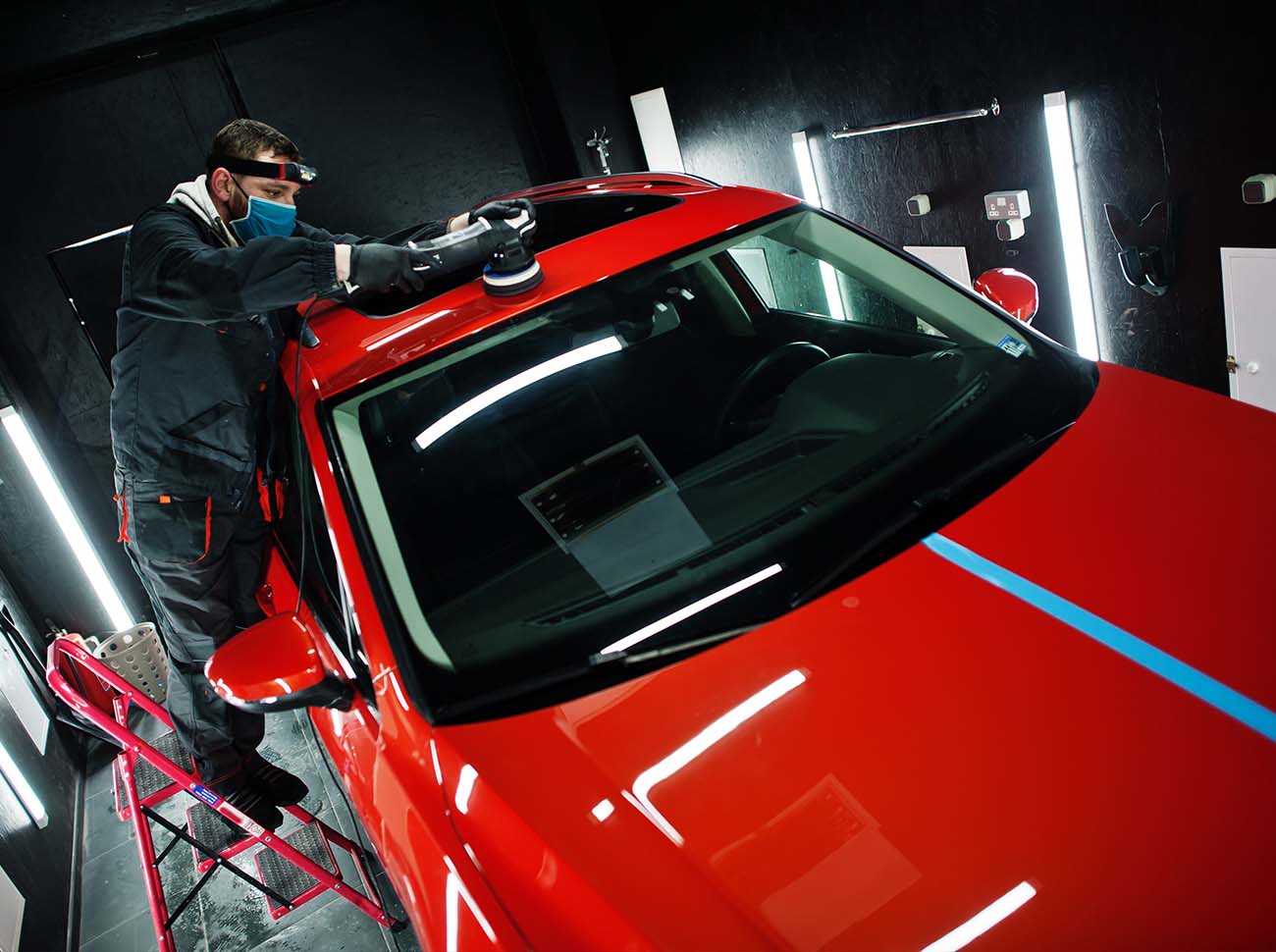
The Importance of a Clean-Room Environment to Prevent Dust Bubbles
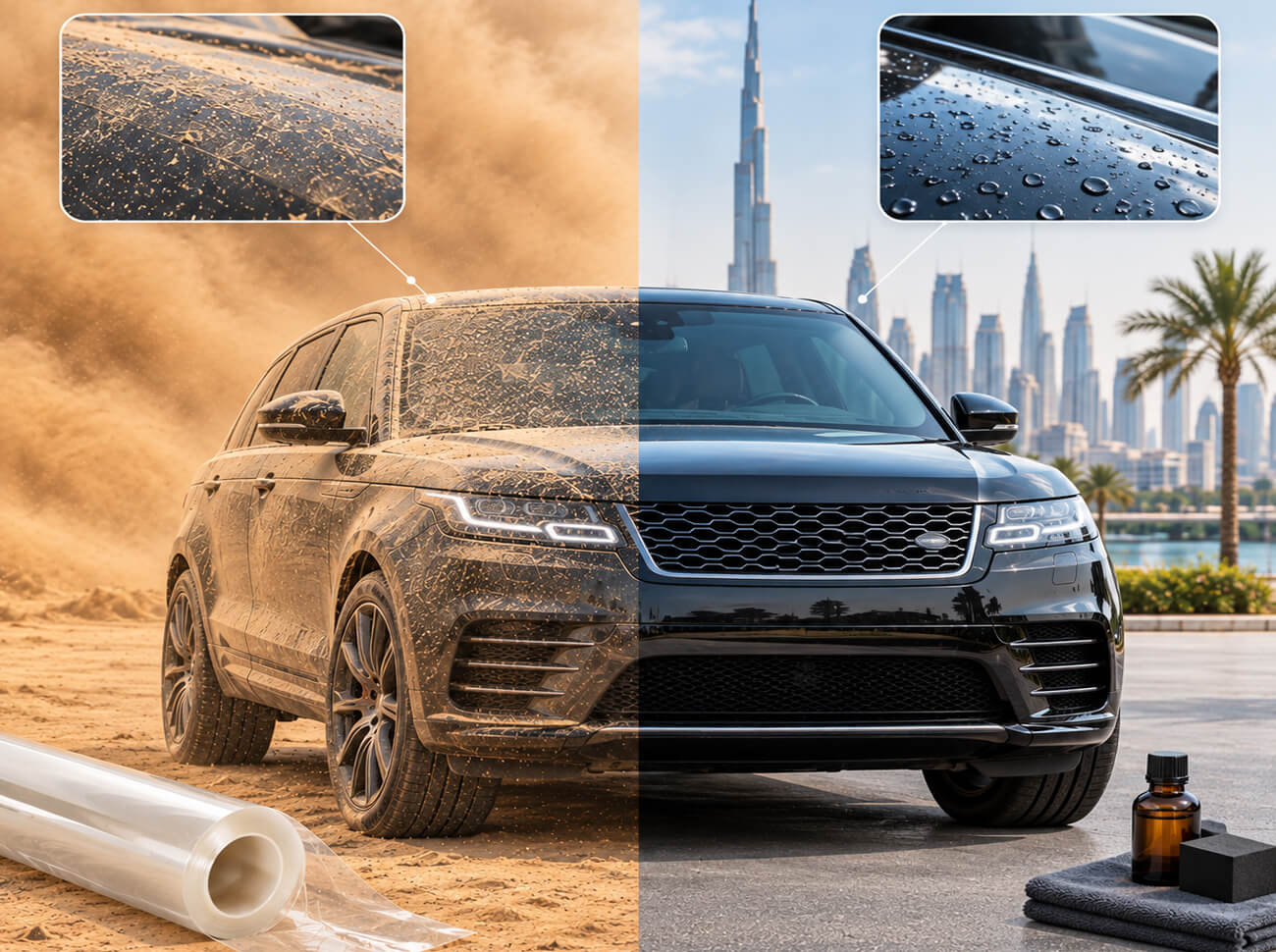
The key to a perfect tint is to avoid Dubai's fine sand. Films are installed in a dust-controlled bay. This prevents any trapped particles that may create bumps and bubbles.
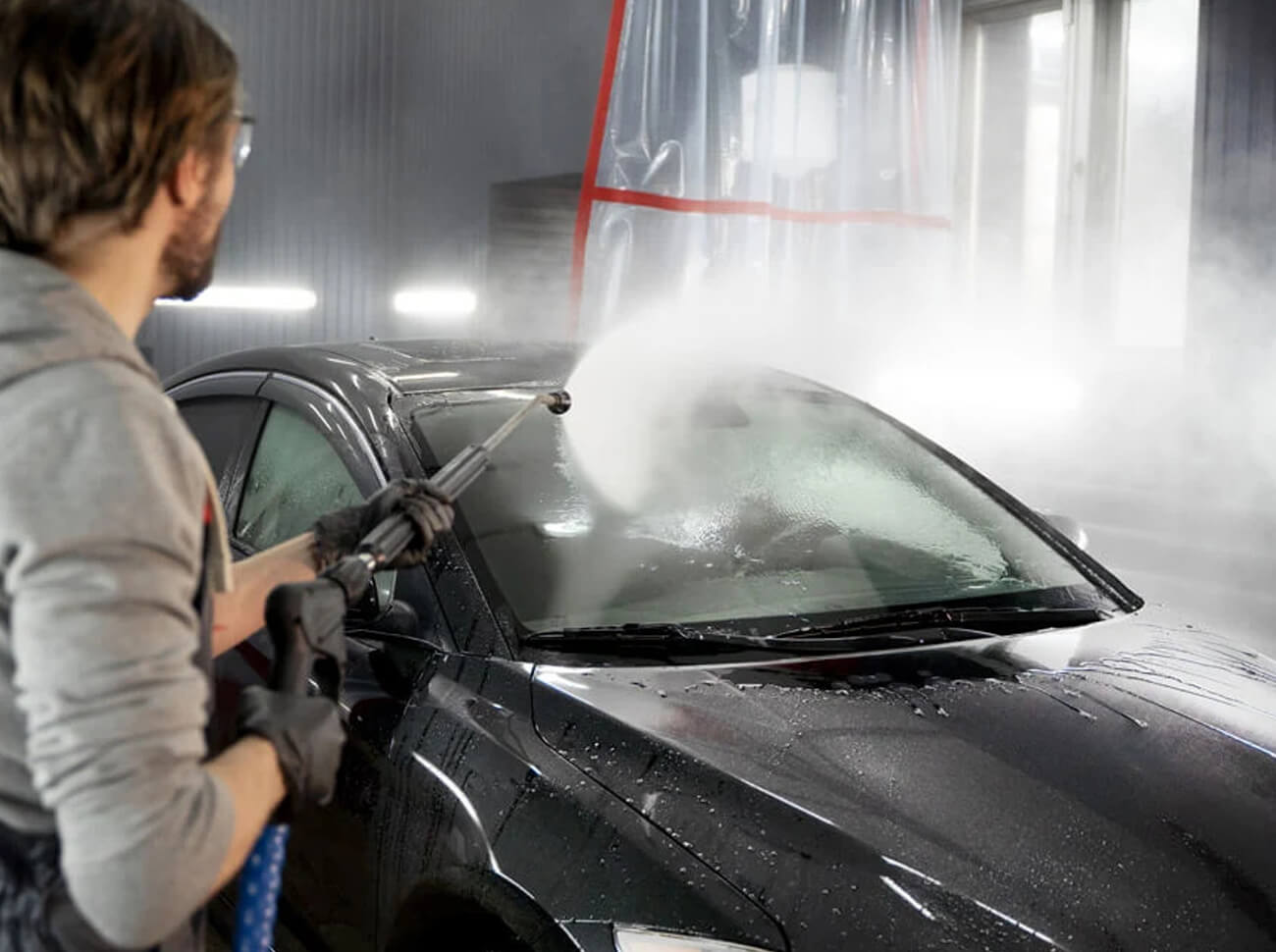
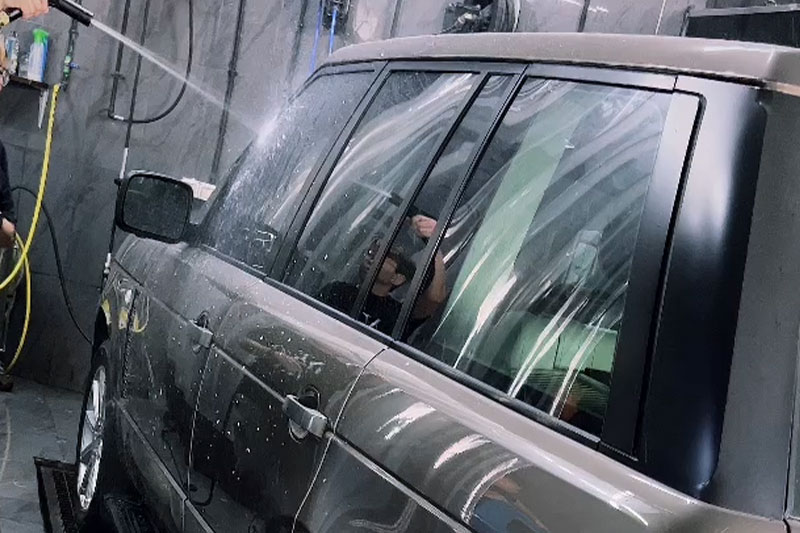
Why You Should Avoid Washing Your Car in Direct Sunlight
Wash in full afternoon sun and your water flash-dries instantly. The result? Streaks, soap residue, and mineral spots everywhere.
Wash early morning, after sunset, or in a shaded garage. Cool panels make every step easier and safer.
Window Glass Detailing and Interior Protection Protocols
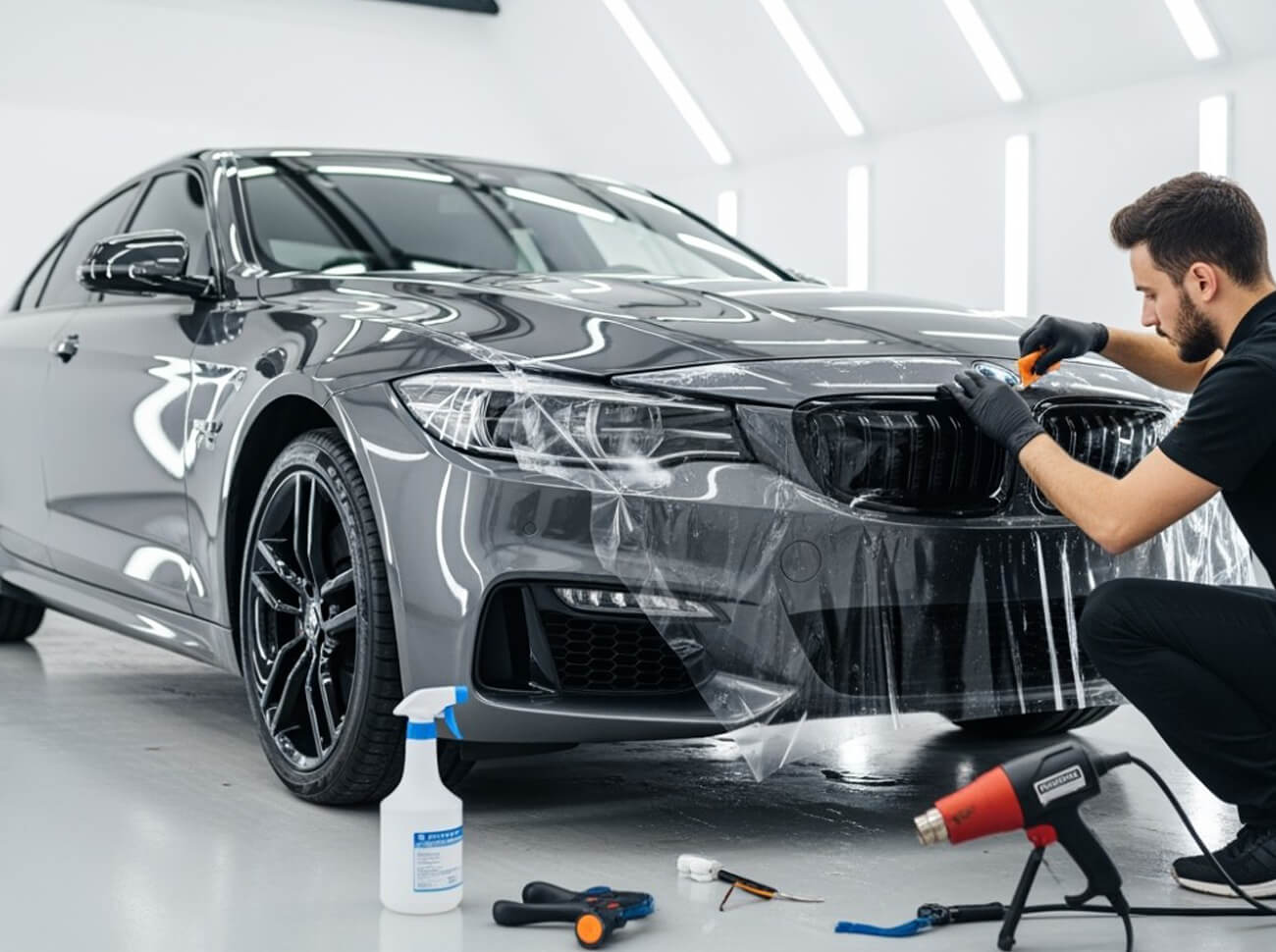
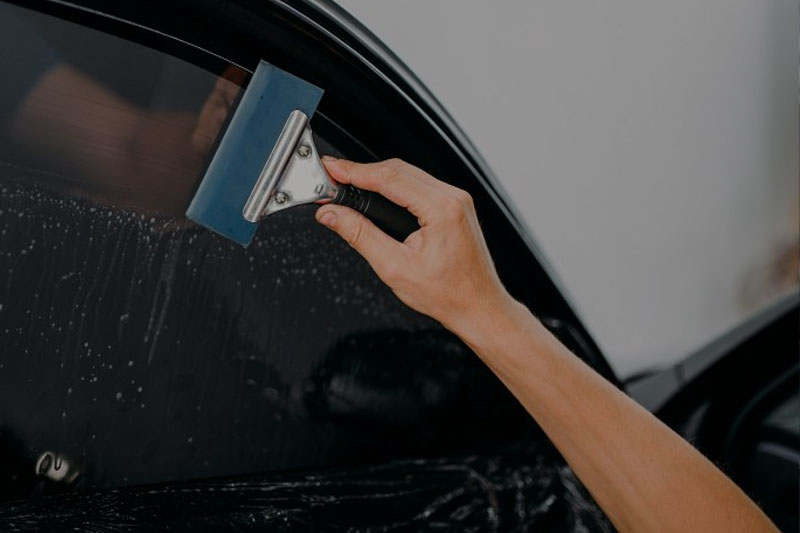
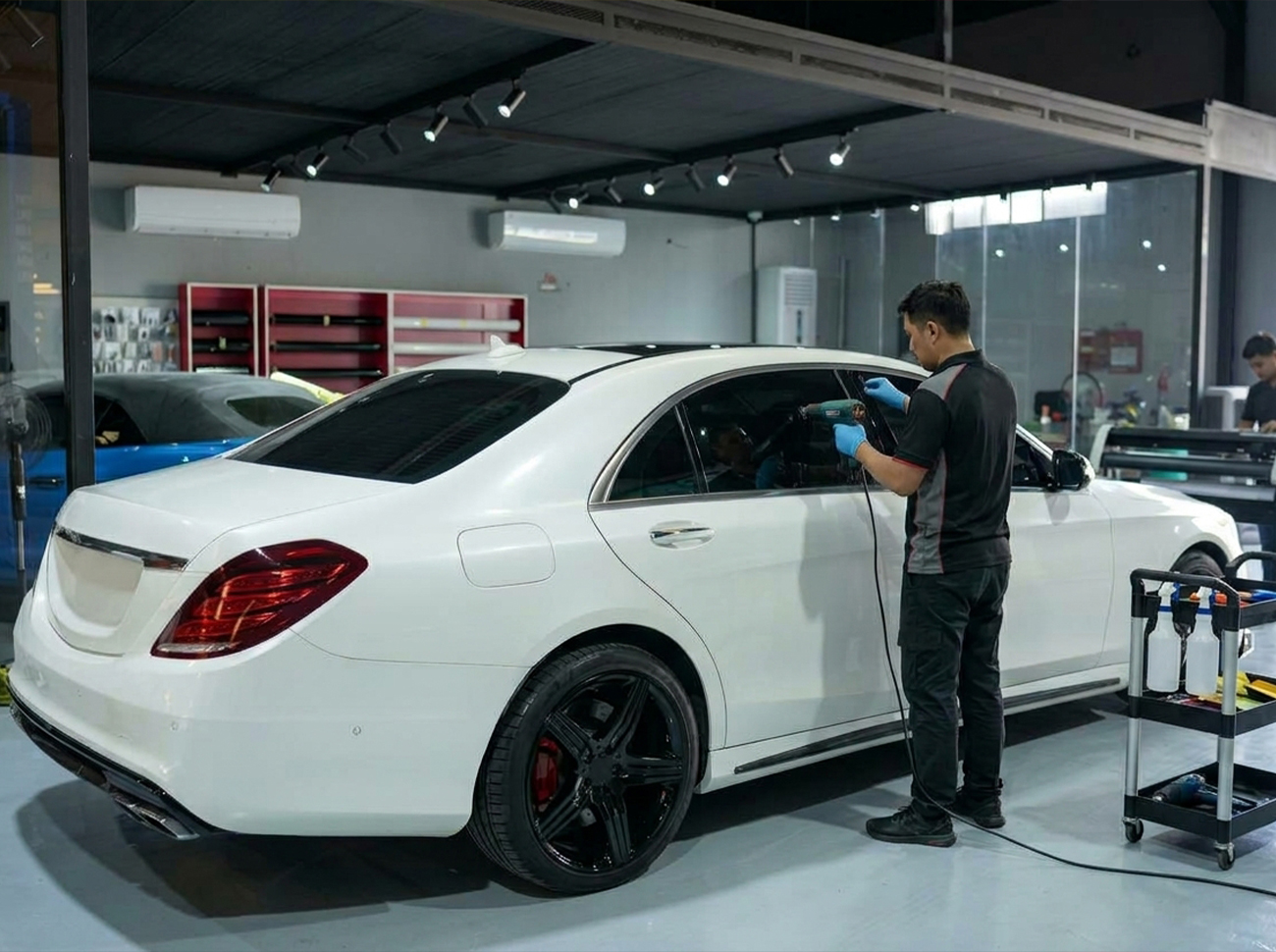
Each window is deep cleaned and tested before the film is applied to it. We have protection for your interior against moisture by covering door panels and electronics. Film is precision-cut to your exact glass shape.
Curing Times and Post-Installation Care Using Microfiber Towels
Your windows should remain rolled up for 3–5 days until the film dries out. Some minor degree of haziness is normal and will pass in a few days. Once cured, only use soft microfibre towels and ammonia-free solutions to clean the glass.
Warranty and Longevity: Protecting Your Investment
Comparing Manufacturer Warranties: Dyed vs. Ceramic
Usually, 1–3-year warranties are included with the dyed films. Carbon typically comes with a 5-year or longer warranty, and high-quality ceramic can have lifetime warranties. Request a written warranty card with the brand listed on it.
Recognizing Signs of Quality Failure: Fading, Bubbling, and Purple Tint
Look for any purple coloring, any bubbles, peeling edges, or a film. Those are indicators of a low-quality product and/or installation. If you have purchased a used vehicle, you may not have any information about aftermarket tint on your vehicle history report, or Carfax report, so check it out yourself.
Conclusion: Making the Right Choice for Your Budget and Vehicle
Best Overall Value: When to Choose Carbon or Nano-Ceramic
If you need long-lasting heat control on a modest budget, then opt for carbon. If you have a high-quality car, drive for extended periods, or are looking for the most cooling for legal shade, then go with nano-ceramic. Dyed film is best for a short-term solution and on a budget.
Final Checklist Before Booking Your Car Tinting Appointment in Dubai
- Confirm that your chosen shade meets RTA VLT limits
- Ask which exact film brand and line will be installed
- Request a written warranty that covers fading and peeling
- Check that the installation bay is dust-controlled
- Get an all-inclusive quote with VAT shown
Why Safa Lux Auto Care? Our technicians bring years of hands-on experience tinting everything from compact hatchbacks to Porsches and fleet vans. We use only certified, non-metallic films and guarantee RTA-compliant shades. Our customer service team keeps every quote fully transparent.
Beat the Dubai heat this week. Book your car tinting appointment with Safa Lux Auto Care today for a free shade consultation and an exact quote for your vehicle.
Recent Posts